Perch Egg Ribbons
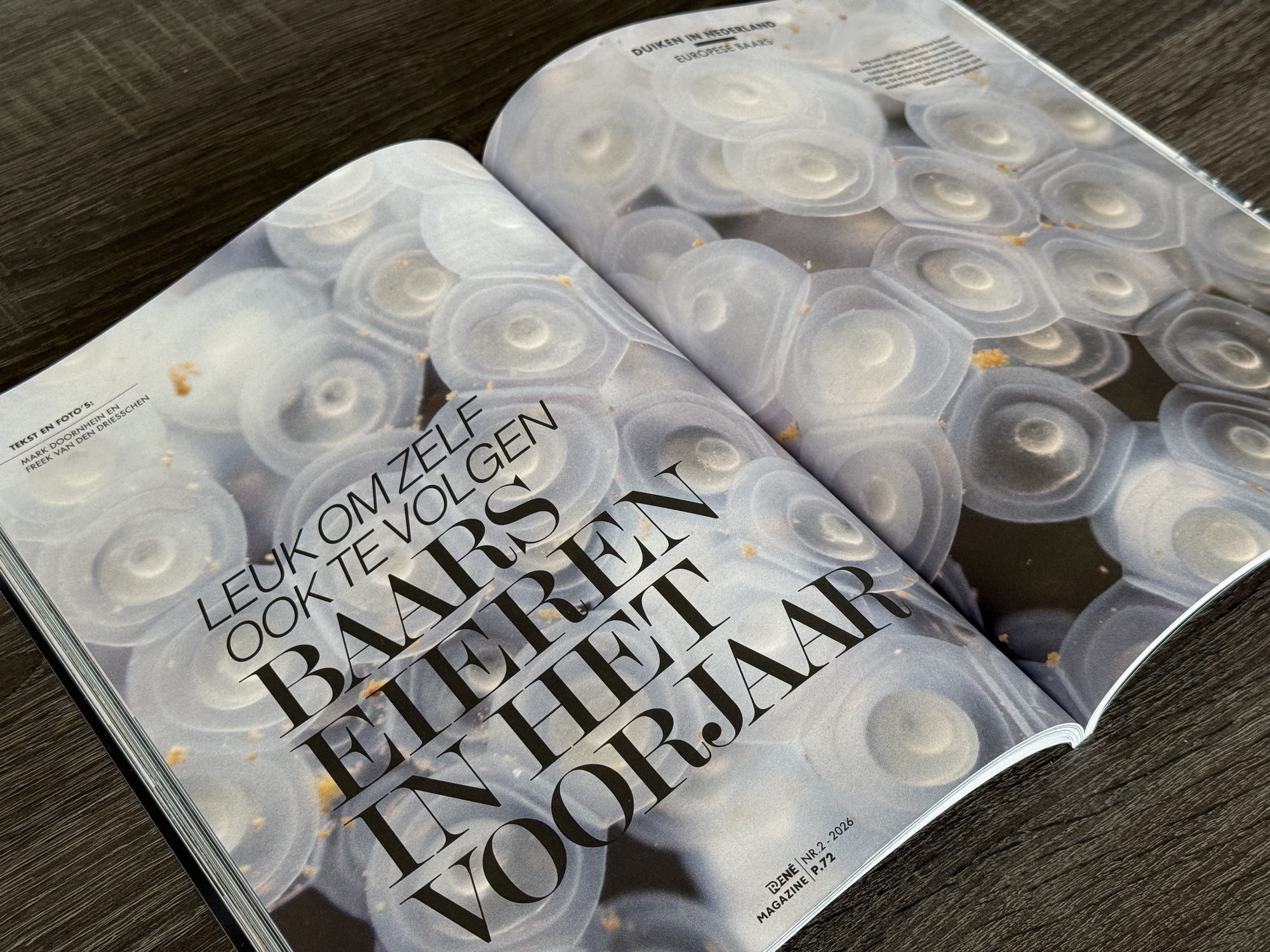
This article focuses on the remarkable egg ribbons of the European perch (Perca fluviatilis). During the spawning season, perch deposit their eggs in long gelatinous ribbons that drape across underwater vegetation, branches and other submerged structures. These ribbons can stretch for several meters and form a distinctive, net-like structure in the water.
At first glance they resemble translucent nets suspended in the water. A closer look reveals something far more complex. Each individual egg contains a developing embryo, clearly visible within the transparent matrix. Over time, the first eyes become visible, pigmentation begins to appear and the small fish gradually take shape.
Unlike many other fish species, perch do not actively guard their eggs after spawning. The ribbons are left attached to structures in the environment, where they develop exposed to surrounding conditions. Their gelatinous structure offers some protection, but survival largely depends on environmental factors such as water quality, temperature and predation.
Documenting this process involved revisiting the same locations during the spawning period and photographing the different stages of development. These observations were made together with my dive buddy Mark, with whom I documented the progression from freshly laid eggs to fully formed embryos.
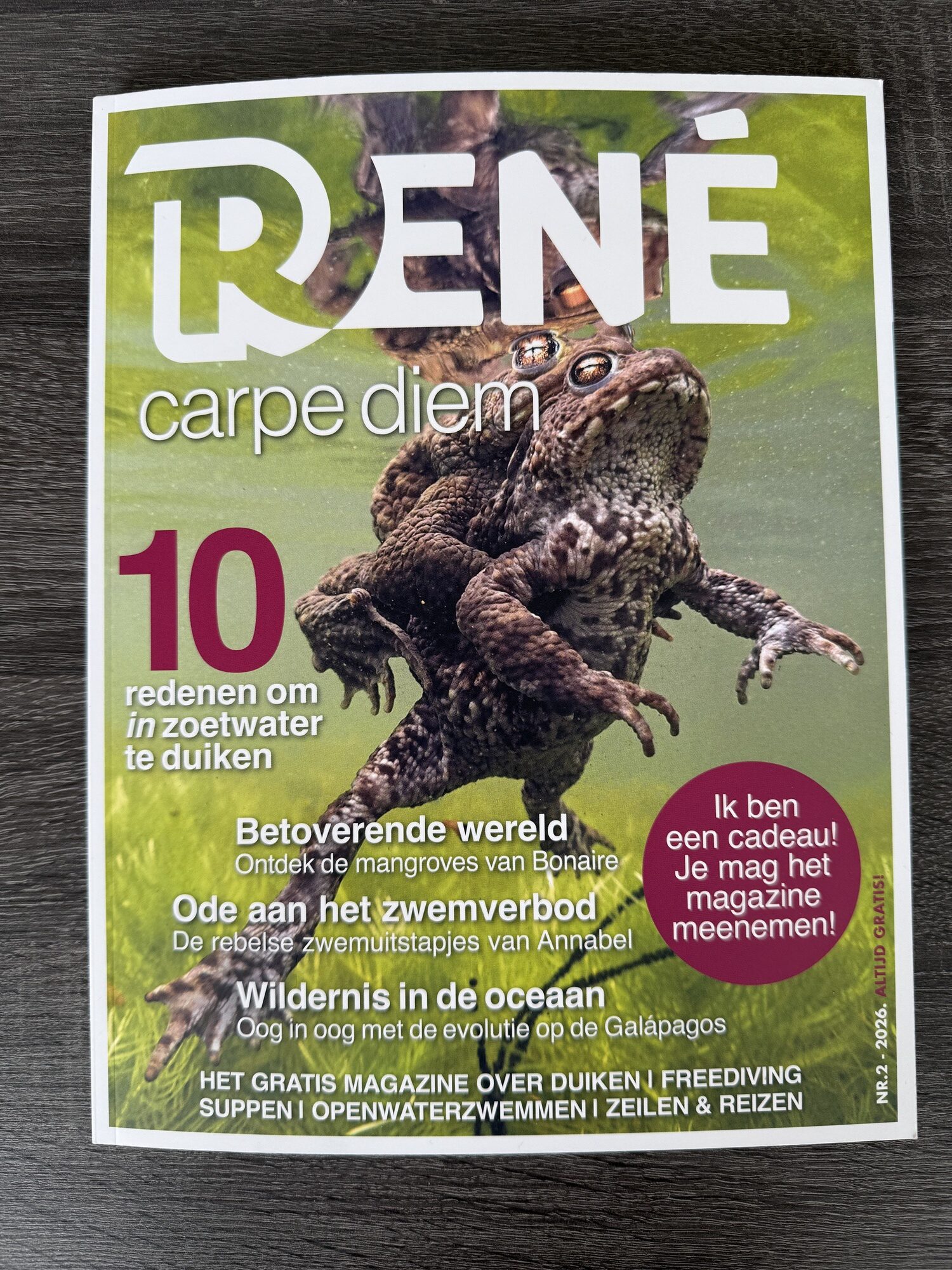
The full article, available in Dutch only, has been published in René Magazine, Issue 2 (carpe diem), Spring 2026.





Comments are closed.