Spring Behaviour Freshwater Netherlands
It’s early May and spring is visible everywhere above water. Trees are turning green and filling with leaves, insects are starting to appear. Underwater, the same shift is taking place, but in a less obvious way. Growth has begun, small life is present, and reproduction is already underway.
A system coming back to life
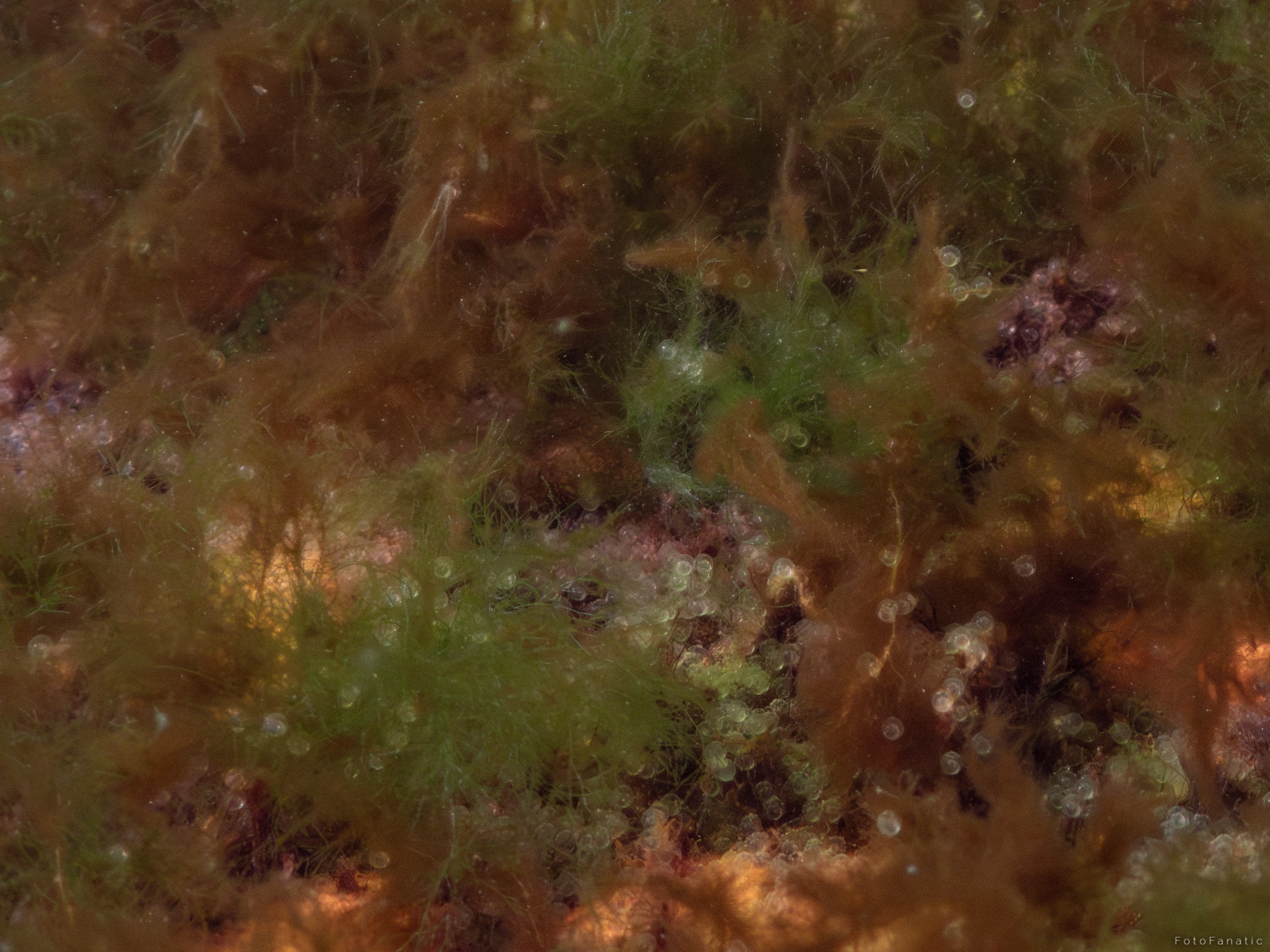
While the water is still relatively cold but slowly warming, life is already in motion. Not explosive or obvious, but steady and happening everywhere at once. The first aquatic plants are beginning to grow, gradually adding structure to an environment that only weeks ago felt bare. What appears empty at first glance is, in reality, already filled with activity.
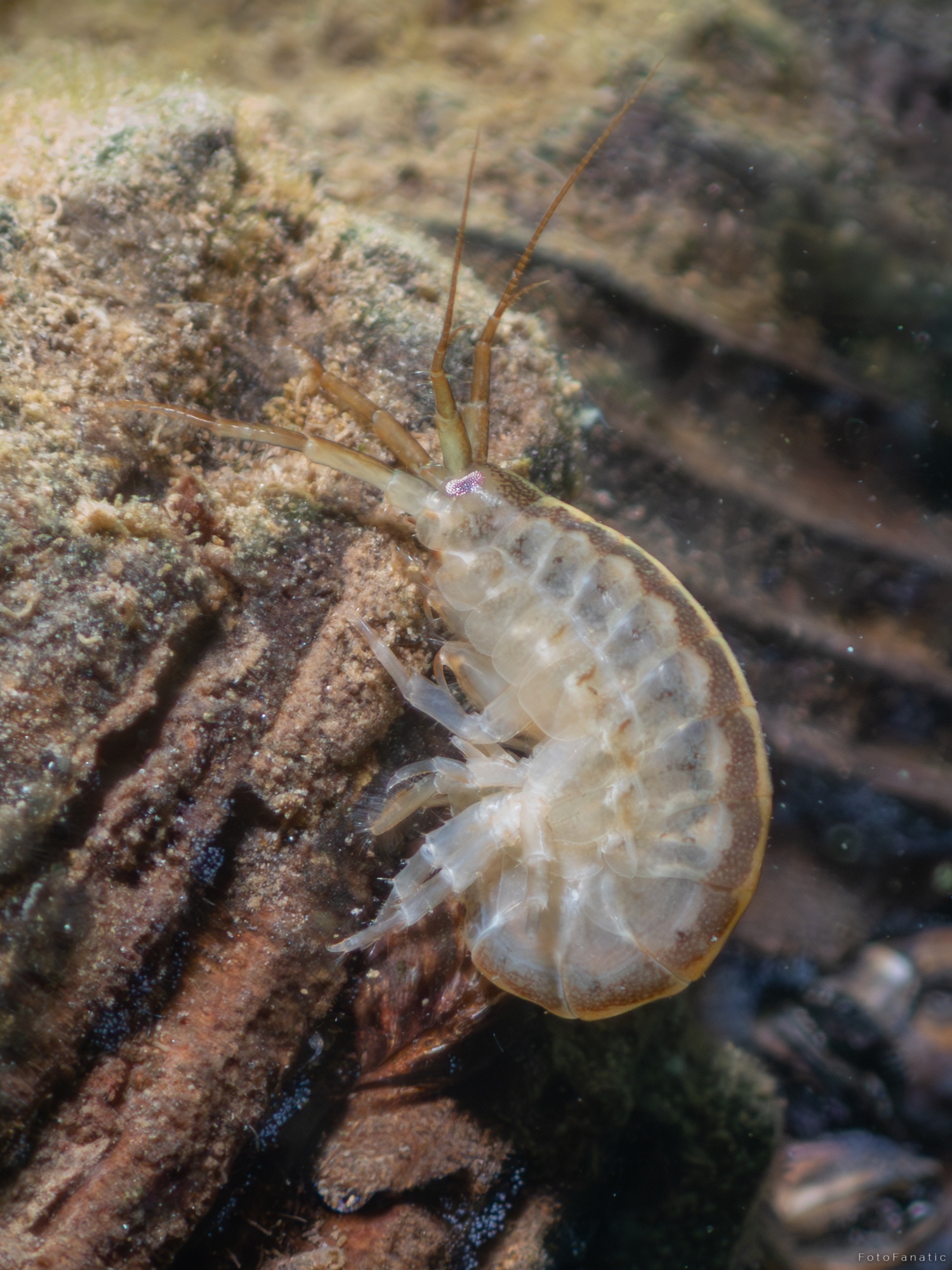
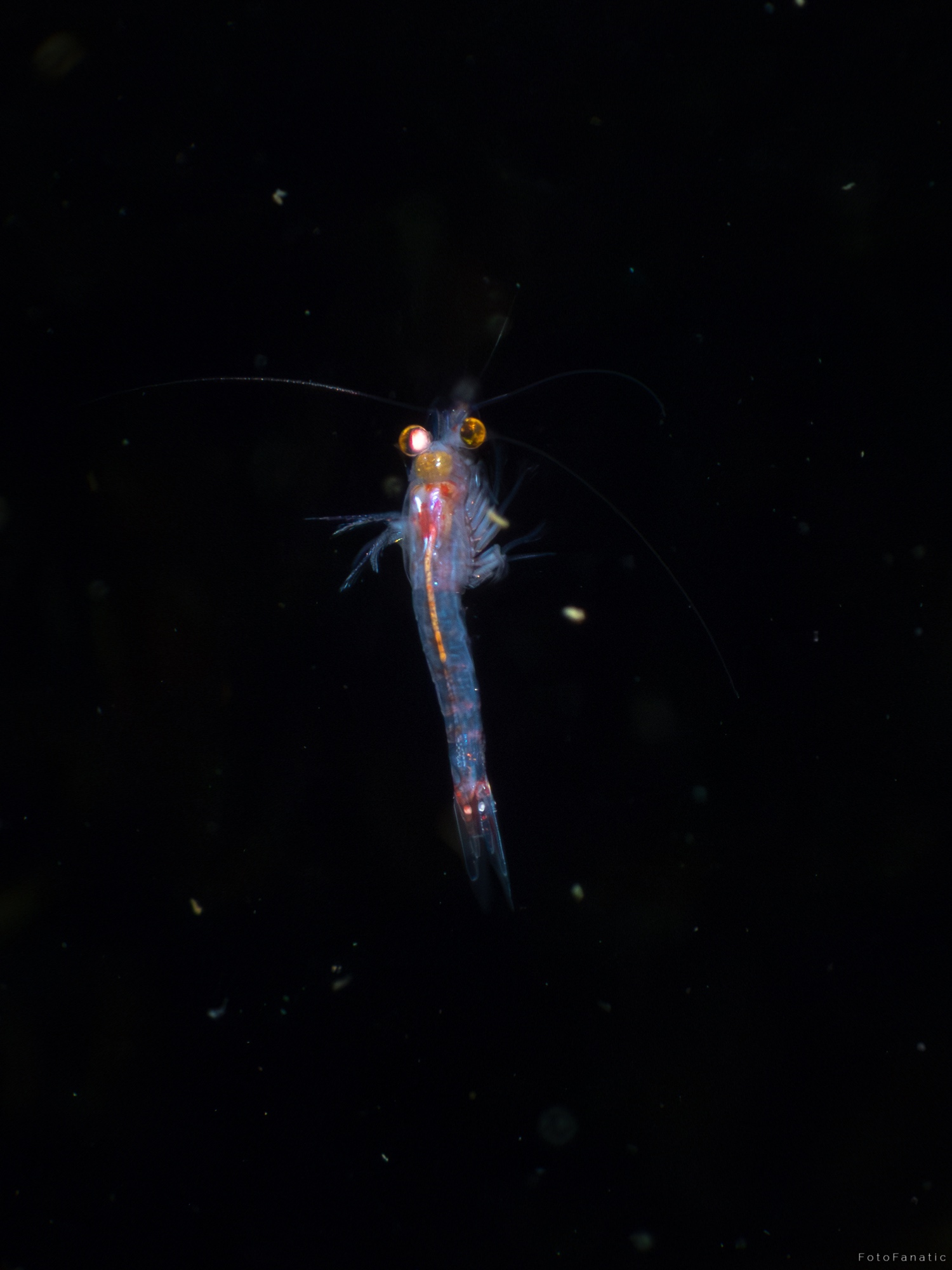
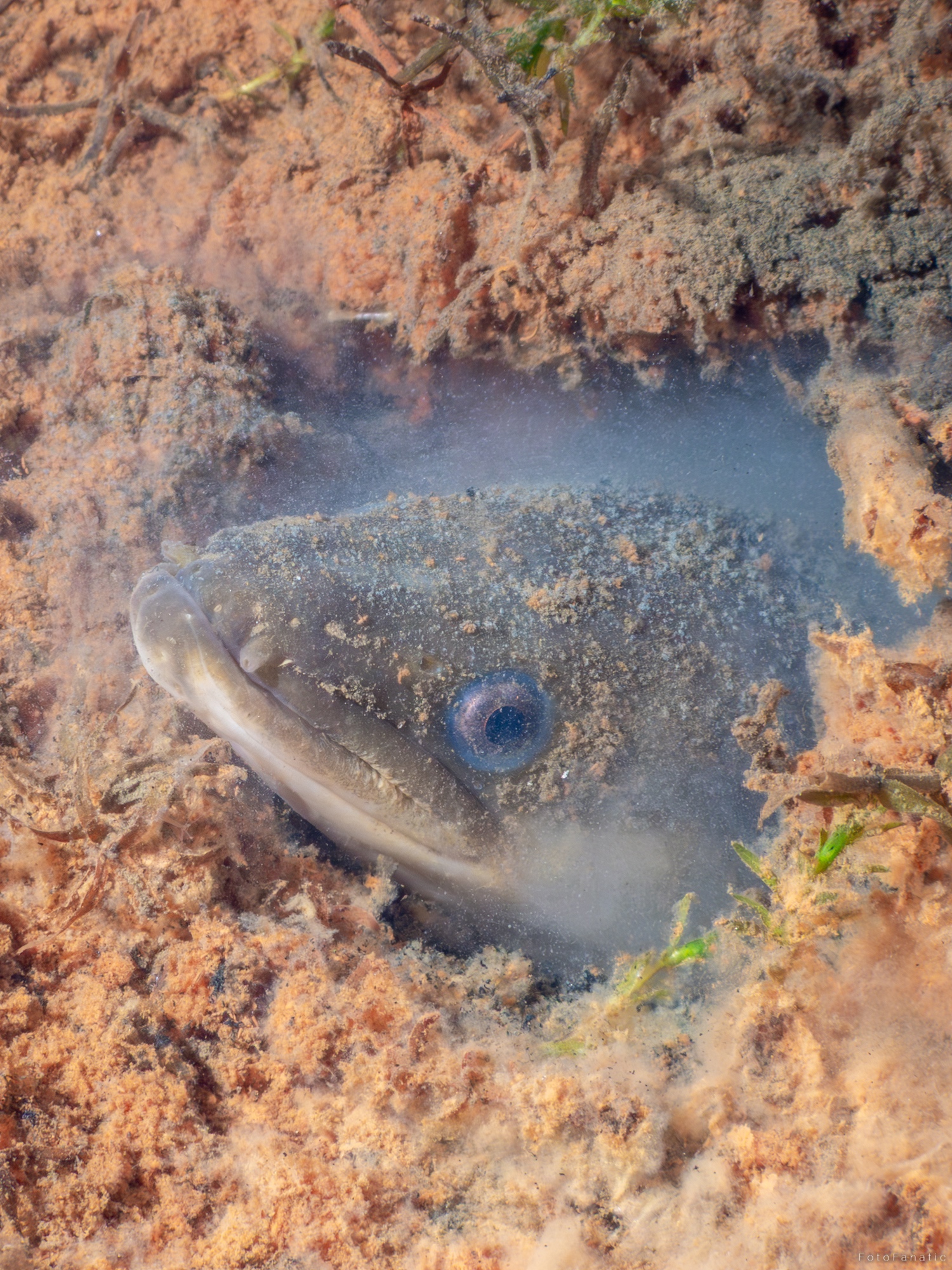
Between those first signs of growth, small life begins to appear. Larvae drift or hold position close to the bottom. Tiny crustaceans move between plants and debris. Everything is subtle, but constant. You don’t notice it until you slow down and start looking with intent.
Timing and reproduction
This is the period when reproduction is already well underway. Many species use this early window before vegetation becomes dense and before conditions become more unpredictable. Timing here is not random, it’s precise.
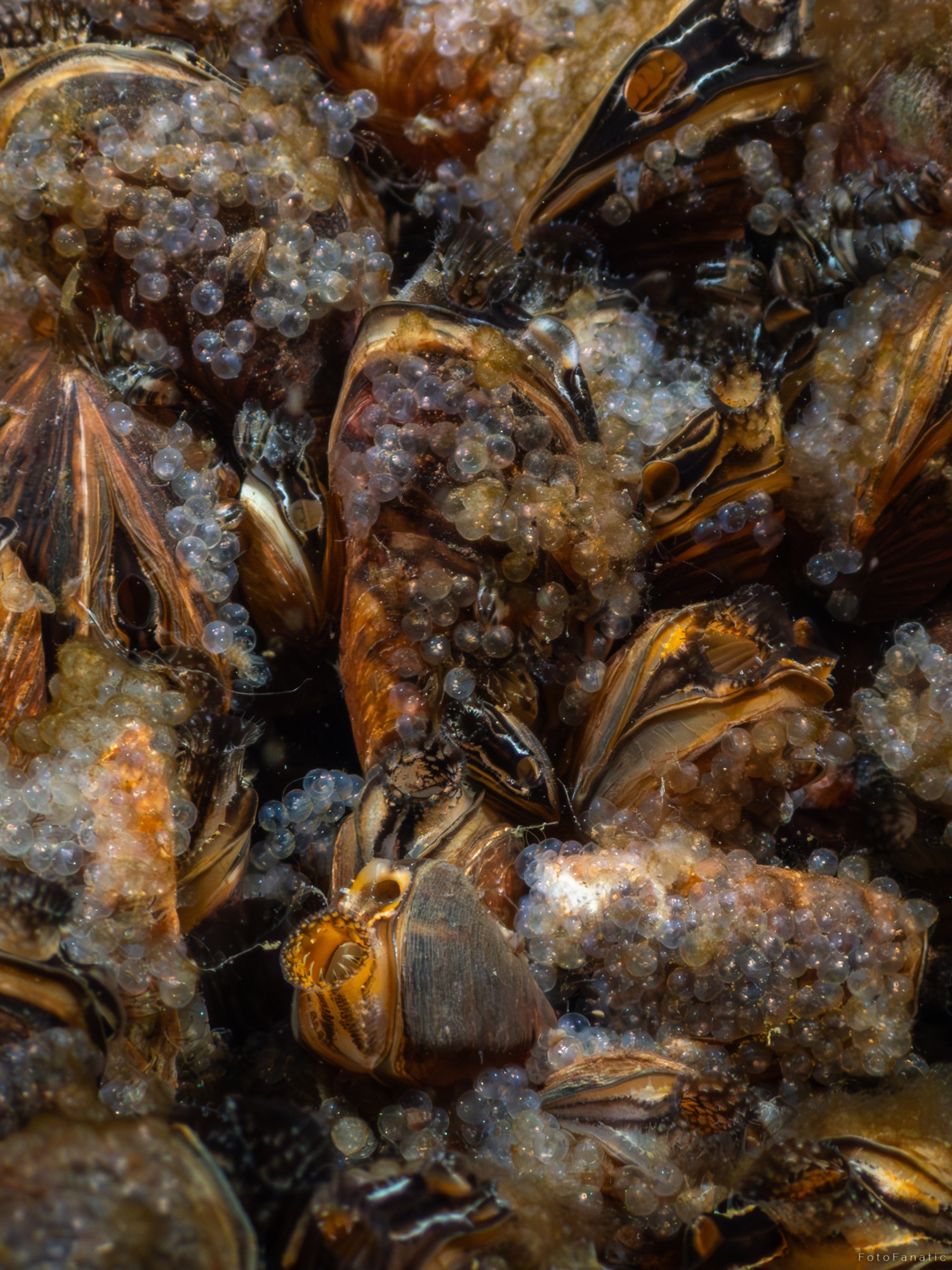
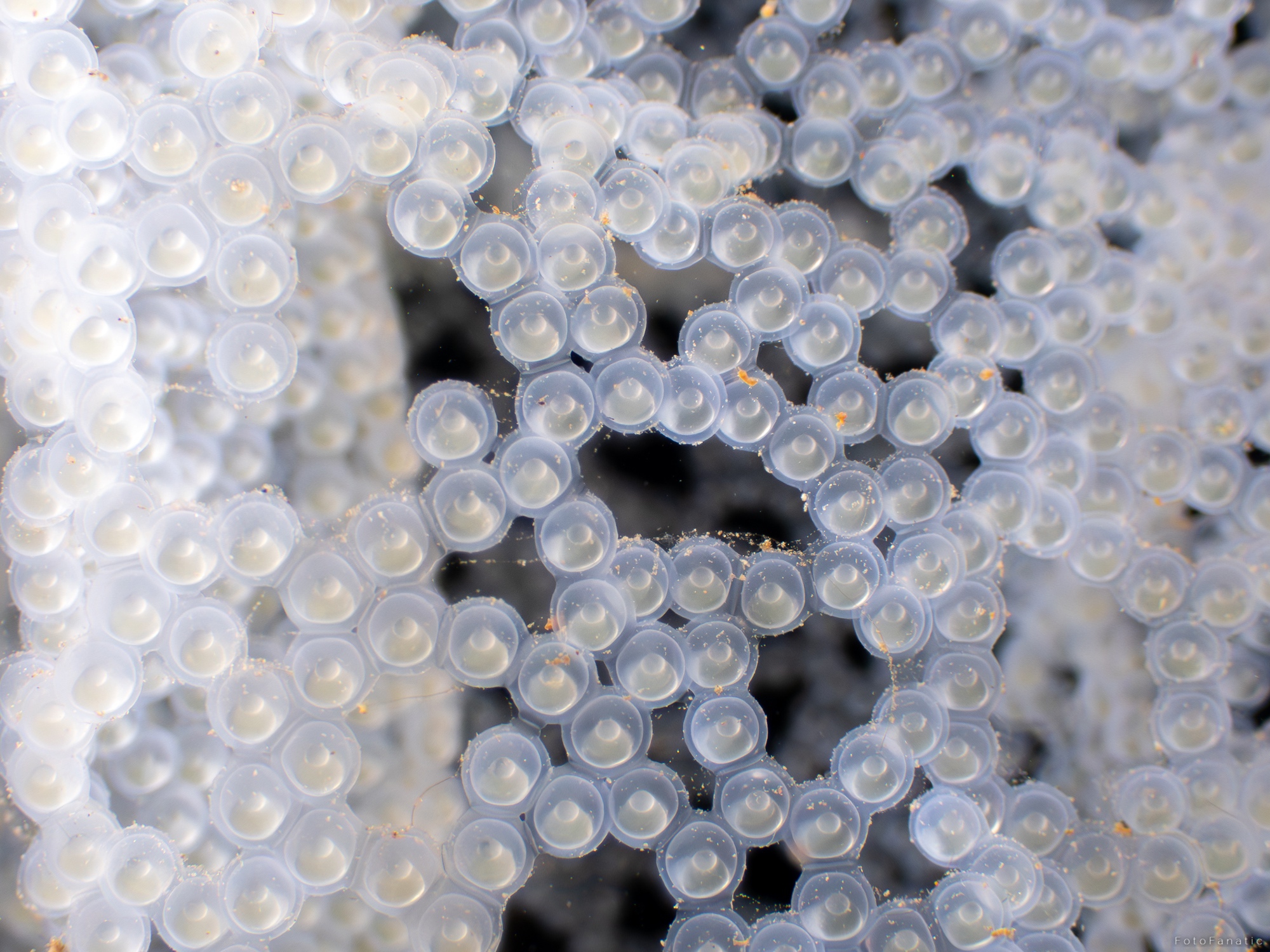
Eggs are already present, often attached to structure or hidden in plain sight. Easy to overlook if you don’t know what you’re looking at, but once you recognise them, they begin to appear everywhere. Development is already ongoing, even while conditions above water still seem relatively inactive.
Behaviour becomes visible
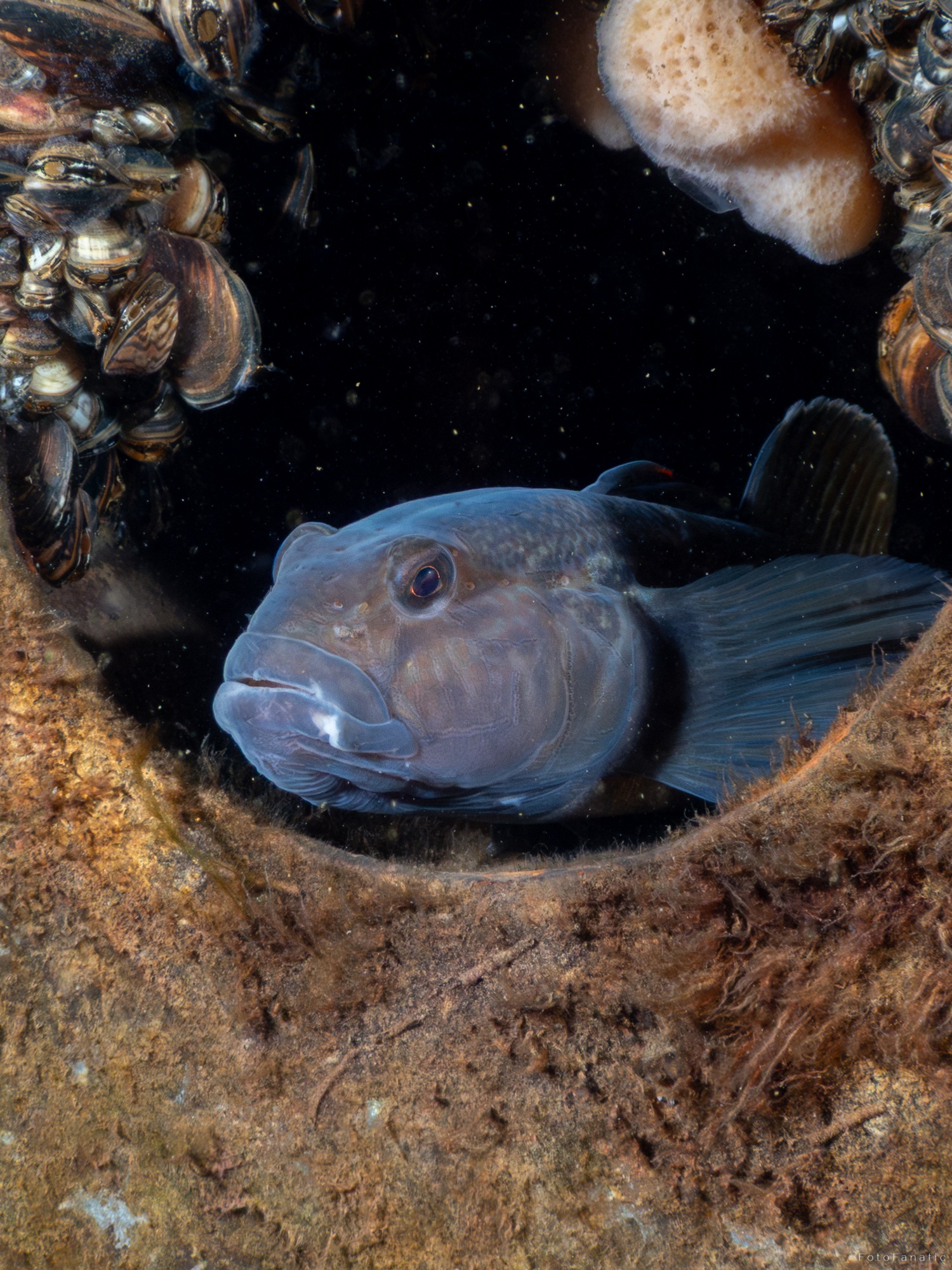
At the same time, behaviour becomes more defined.
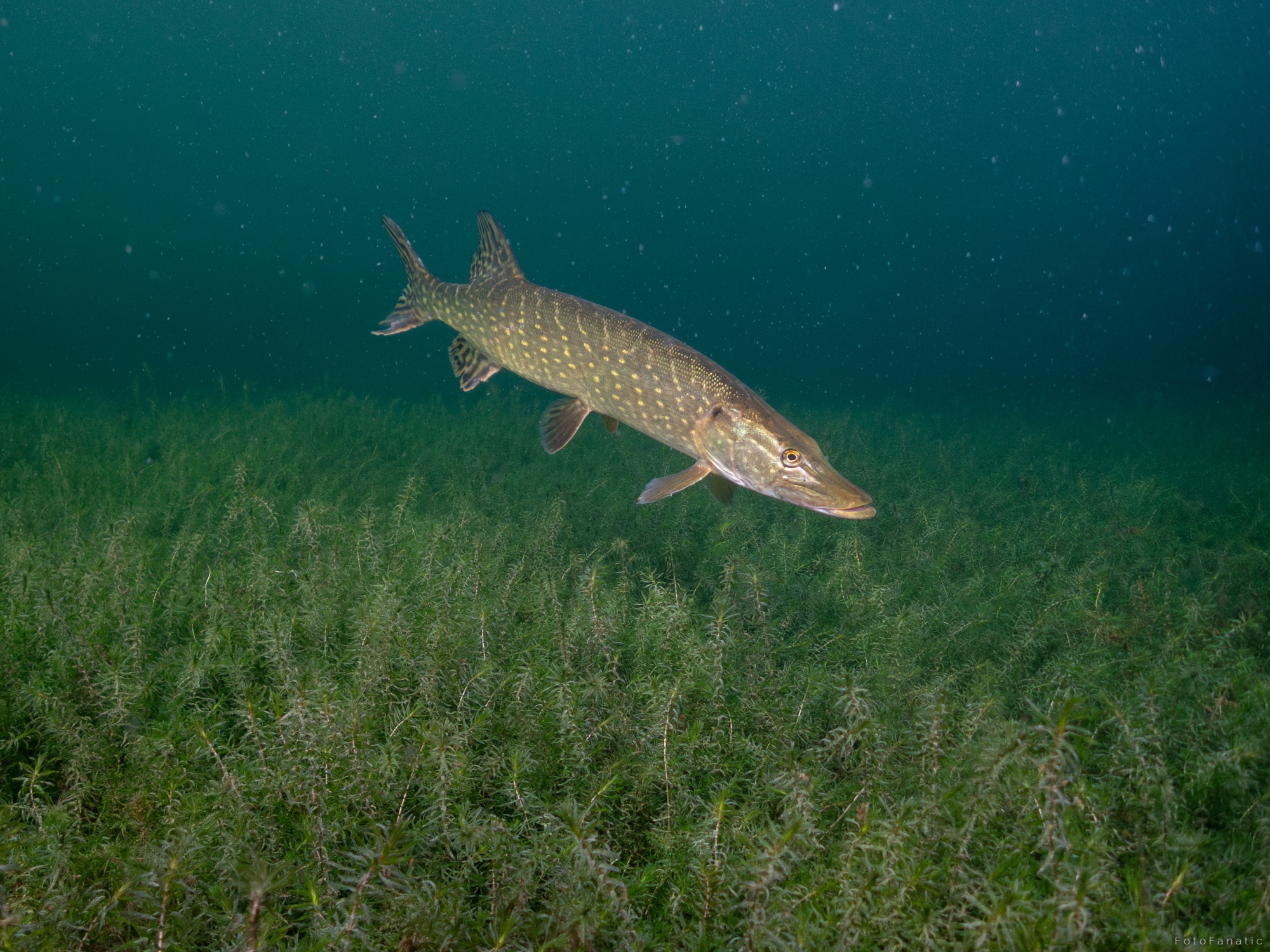
Pike move into shallow water during this period, not only to hunt but also to spawn. These areas provide the right conditions, with vegetation and structure where eggs can be deposited.
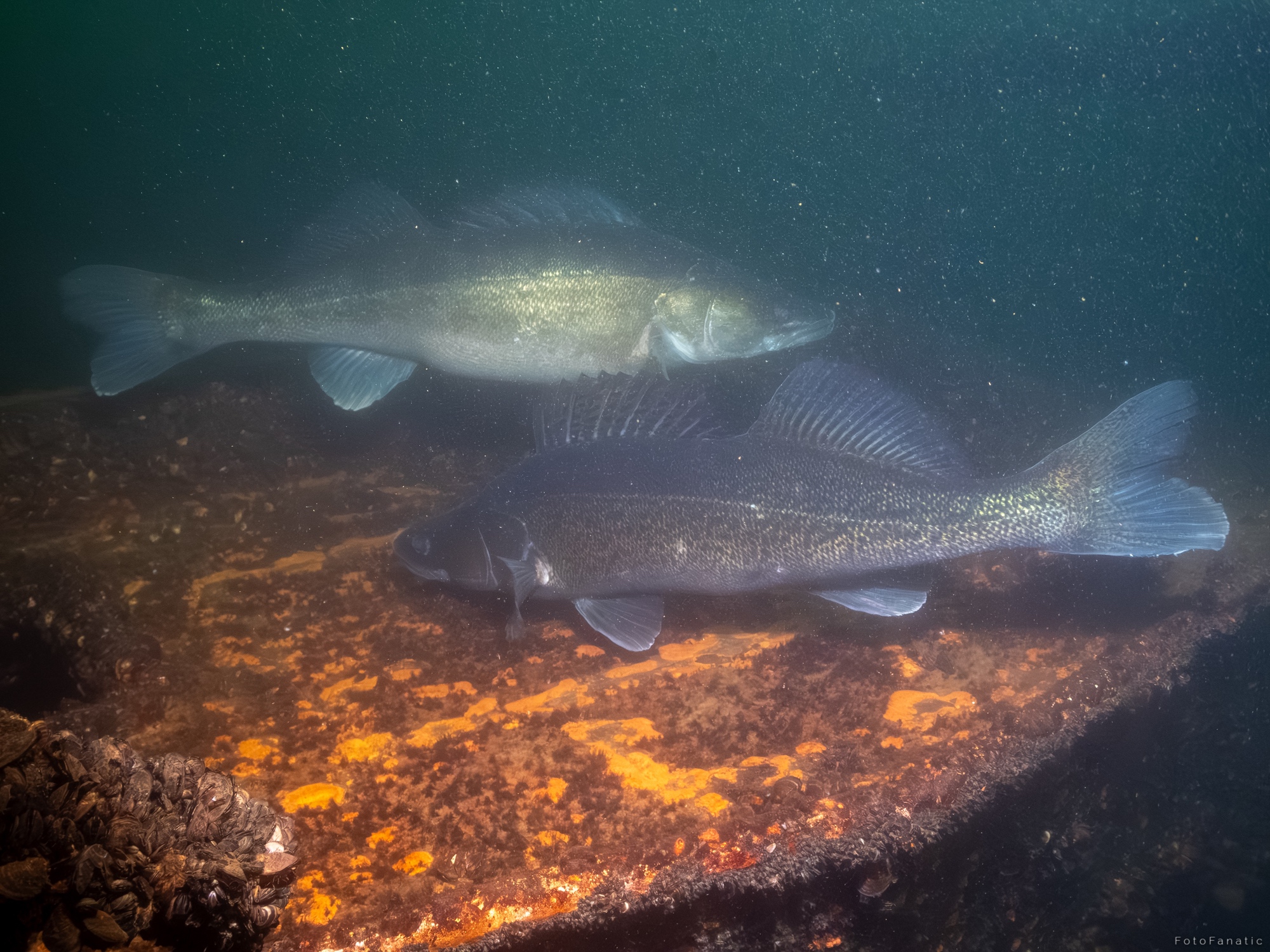
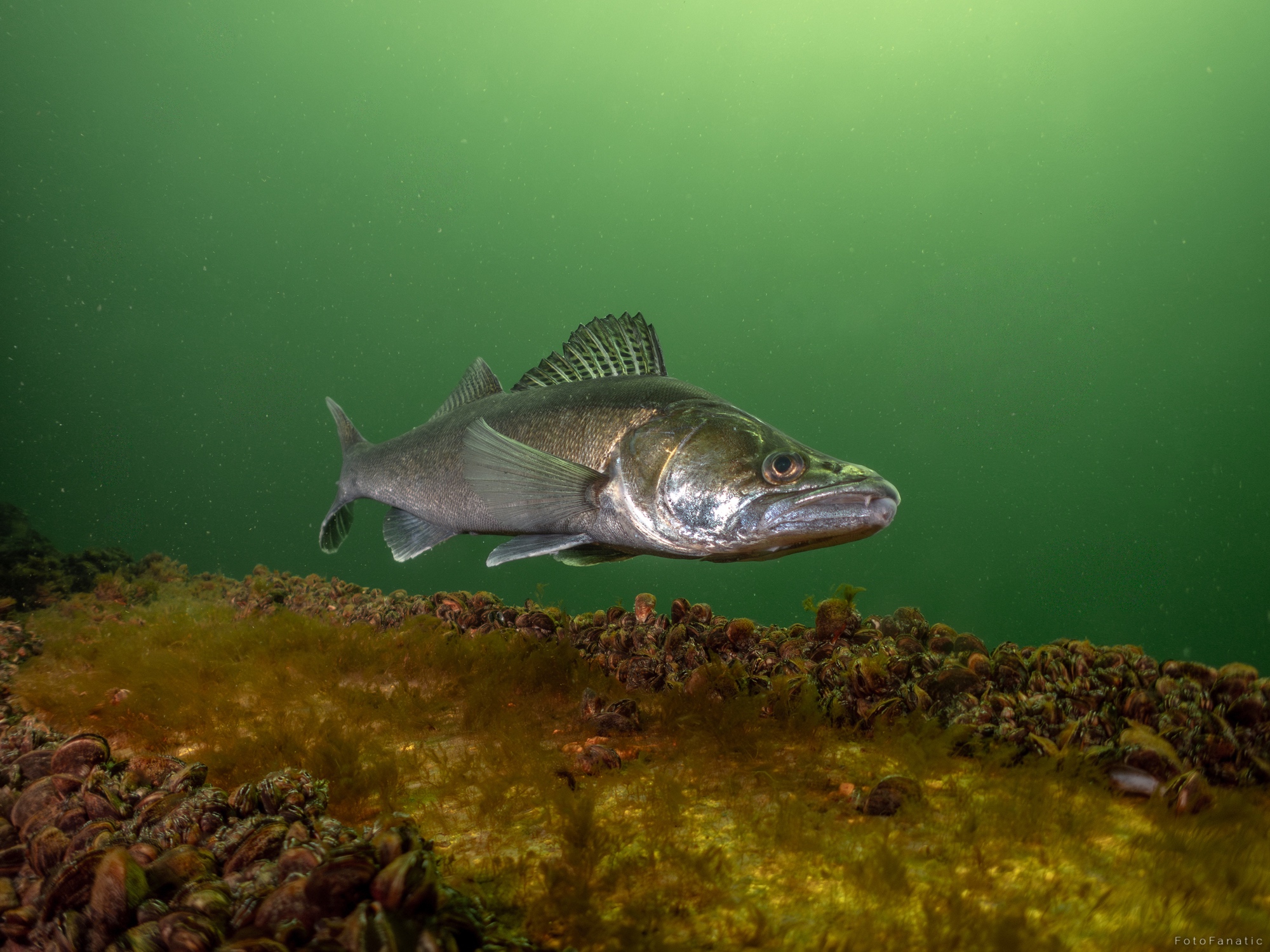
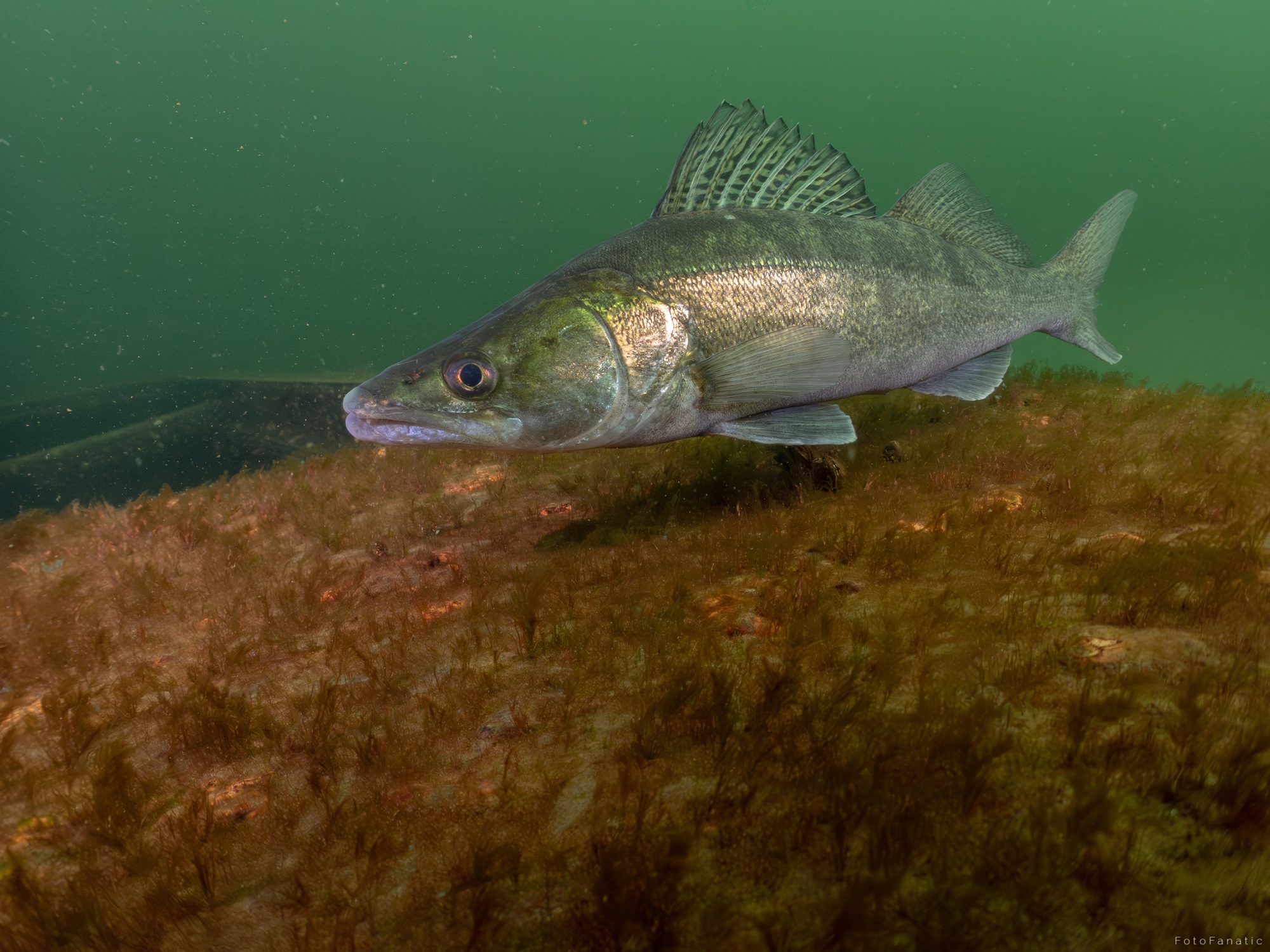
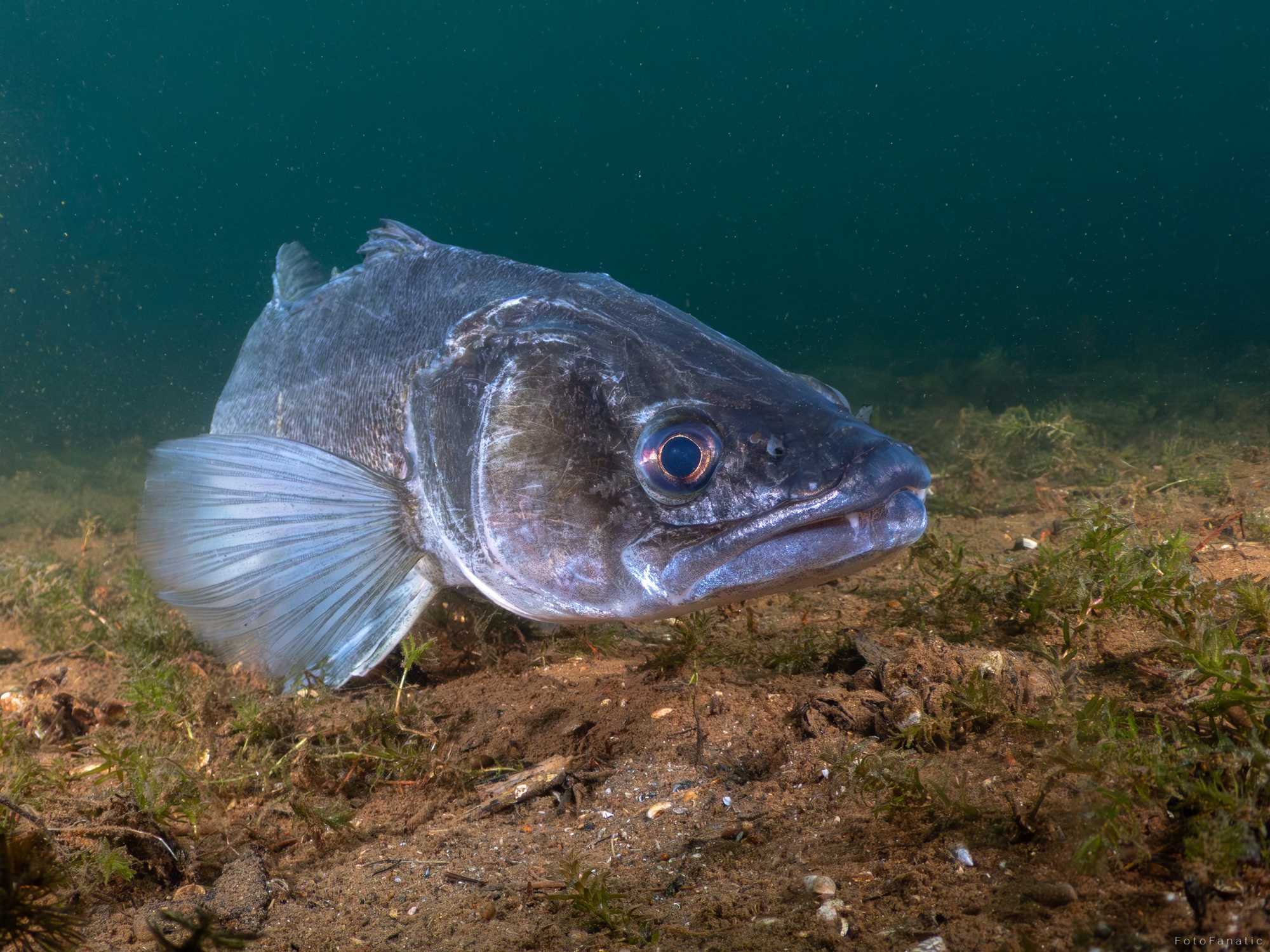
Zander follow a different process. Before there is anything to guard, a territory is established and a nest is prepared. Intruders are actively driven away. When a female approaches, behaviour changes. What starts as rejection can shift into a controlled interaction, followed by a spawning sequence. Eggs are laid in a dense layer across the prepared substrate.
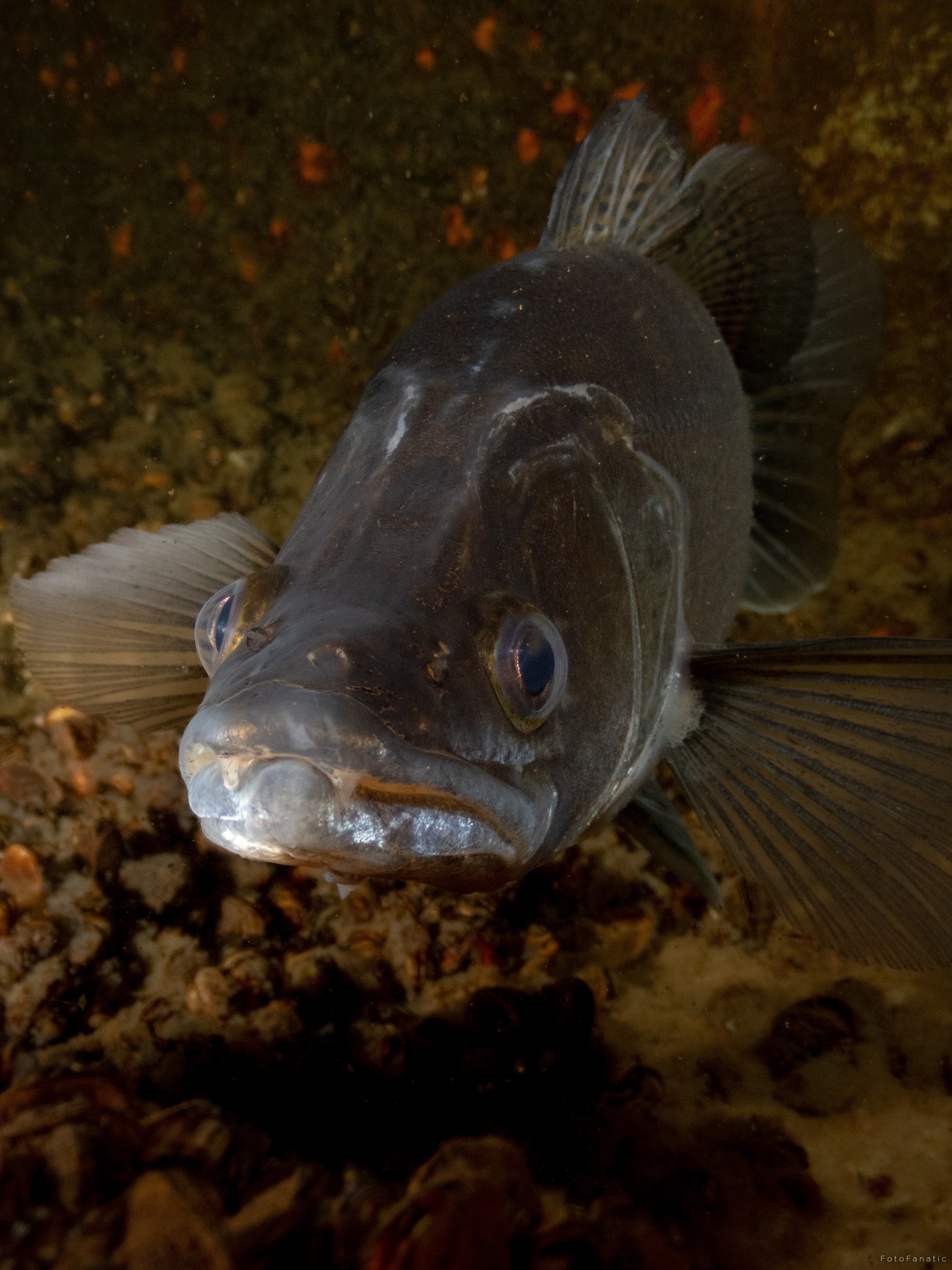
From that moment, behaviour becomes fully focused. The male remains with the nest, guarding and maintaining it continuously. Movement is limited, but attention is not. During a single dive, it is not unusual to encounter multiple individuals in this phase, each holding position above its own nest.
Patterns become predictable
As the season progresses, patterns begin to repeat themselves. The same structures, the same depths, the same behaviour. Once you recognise it, it becomes easier to anticipate where life will be and what it will be doing. What first feels random quickly turns into something structured.
A short and defining window
That is what defines this time of year. It’s not about numbers, but about function. Everything serves a purpose, from growth to reproduction and protection. Processes that are usually hidden become visible if you take the time to observe them.
This phase does not last long. Conditions will change, vegetation will take over, and visibility into these early stages will slowly fade again. What is now still open and visible will gradually disappear into density and growth.
Spring is not waiting. It is already happening.
Presence without participation
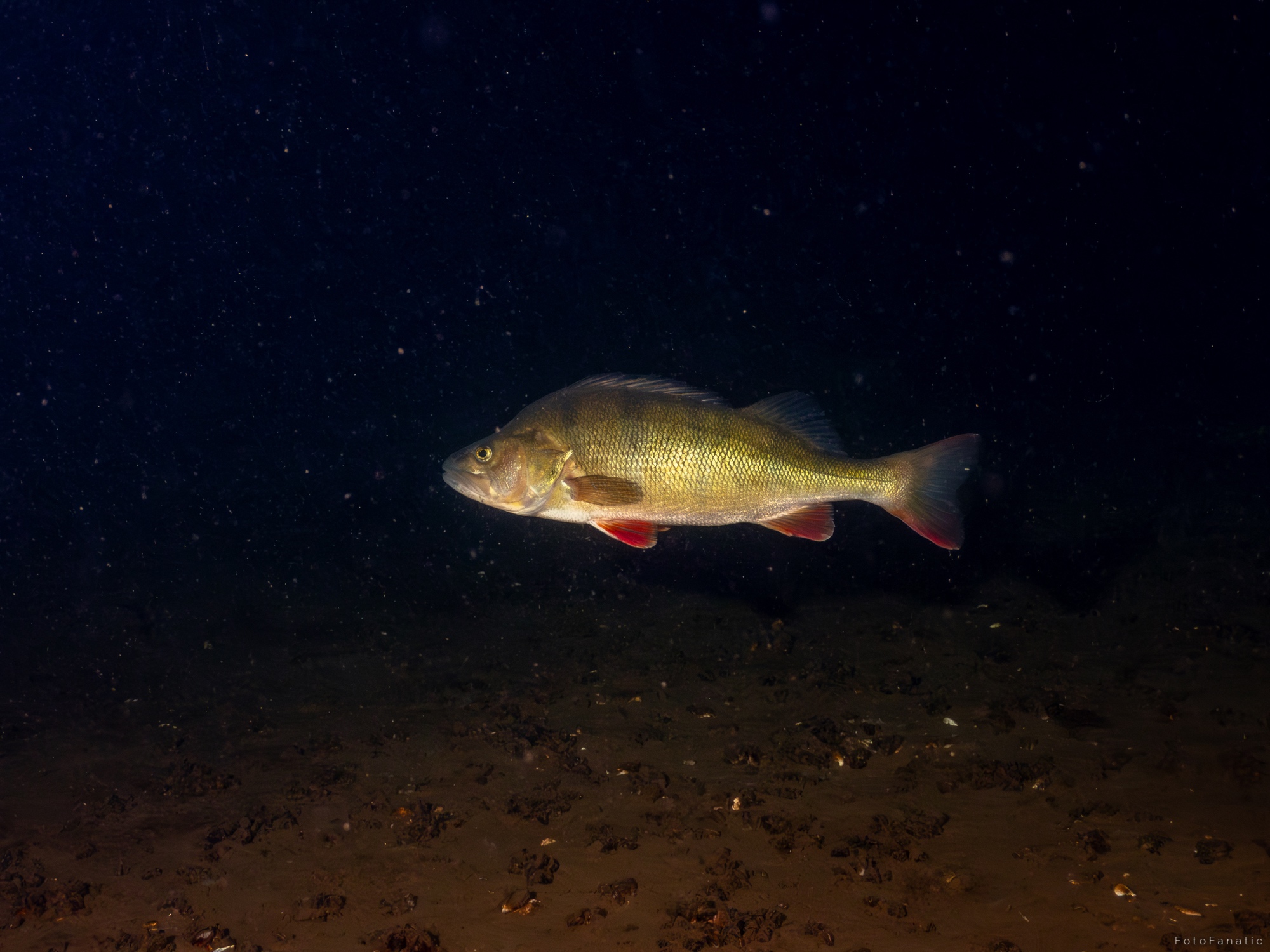
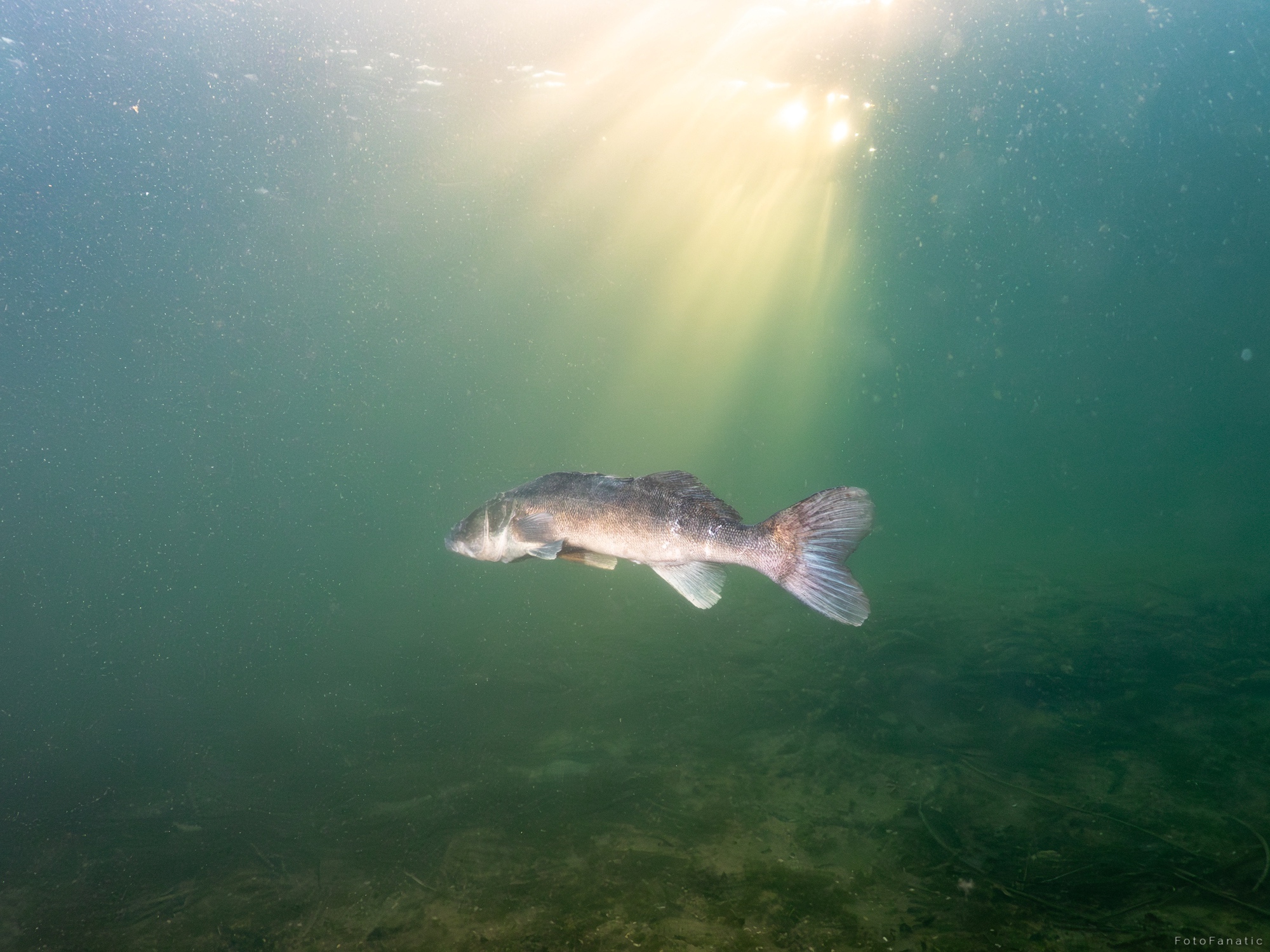
Not every individual is involved. Some remain on the edge of it, present but not participating. An older zander, marked by time, holding position without a nest. The process is visible, but not for all.

Comments are closed.